

Unlocking the Secrets to Naturally Thicker Hair
Want thicker, fuller hair naturally? This listicle reveals seven effective strategies to boost hair growth and create the appearance of more voluminous locks. Discover how scalp massages, protein-rich diets, deep conditioning, gentle cleansing, stress management, protective styling, and natural growth stimulants can help you achieve your hair goals. These simple yet powerful techniques can make a real difference in your hair's health and appearance.
1. Scalp Massage with Essential Oils
Achieving thicker hair naturally is a common goal, and scalp massage with essential oils offers a holistic approach that addresses multiple factors contributing to hair health. This therapeutic technique combines the stimulating power of massage with the nourishing benefits of essential oils to promote hair growth and improve overall scalp health. By increasing blood circulation, reducing stress, and delivering vital nutrients directly to the hair follicles, this method can help you achieve naturally thicker hair.
So, how does it work? Gentle, circular motions on the scalp stimulate blood flow, which carries oxygen and nutrients to the hair roots. This nourishment is crucial for strengthening existing hair and encouraging new growth. Simultaneously, the essential oils penetrate the scalp, delivering their unique properties directly to the hair follicles. This combined action creates an optimal environment for healthy hair growth while also helping to distribute the scalp's natural oils, keeping the hair moisturized and preventing dryness. Furthermore, scalp massage reduces stress hormones like cortisol, which are known to inhibit hair growth. By lowering these hormone levels, you create a more conducive environment for healthy hair growth.
The benefits of this method are numerous. It offers immediate relaxation and stress relief, making it a pleasant self-care ritual. Consistent daily practice for 3-6 months can yield visible results, with some individuals experiencing even more dramatic improvements. It's a relatively inexpensive and accessible method, easily incorporated into your daily routine without professional help. Plus, you can combine the aromatherapy benefits of essential oils with physical stimulation for a truly holistic approach. Learn more about Scalp Massage with Essential Oils here.
There is evidence to support the efficacy of scalp massage with essential oils. Studies have shown that rosemary oil can increase hair growth by up to 44% over six months. Research on peppermint oil even demonstrates superior results to minoxidil, a common hair growth medication, in animal studies. These findings, combined with the centuries-old Ayurvedic practices using coconut oil and curry leaves for hair thickness in traditional Indian medicine, reinforce the power of this natural approach. Prominent figures like Dr. Andrew Weil, an integrative medicine physician, and celebrity hairstylist Jen Atkin have also popularized this method. The Ordinary and other clean beauty brands promoting rosemary oil have further brought this practice into the mainstream.
While the benefits are compelling, it's essential to be aware of the potential drawbacks. Consistent daily practice is crucial for optimal results, which can be challenging for busy individuals. Some essential oils may cause allergic reactions, so a patch test 24 hours before the first use is crucial, particularly for those with sensitive skin. Results can vary significantly between individuals, and it may take several months to see noticeable changes, requiring patience and persistence.
Here are some practical tips for incorporating scalp massage with essential oils into your routine:
- Use 2-3 drops of essential oil mixed with a carrier oil like jojoba or coconut oil.
- Massage for 5-10 minutes daily before washing your hair.
- Apply gentle pressure using your fingertips, not your nails, to avoid irritating the scalp.
- Start with less potent oils like lavender before trying stronger ones like rosemary or peppermint.
- Perform a patch test 24 hours before first use to rule out any allergic reactions.
The following infographic illustrates a simple three-step process for performing a scalp massage with essential oils.
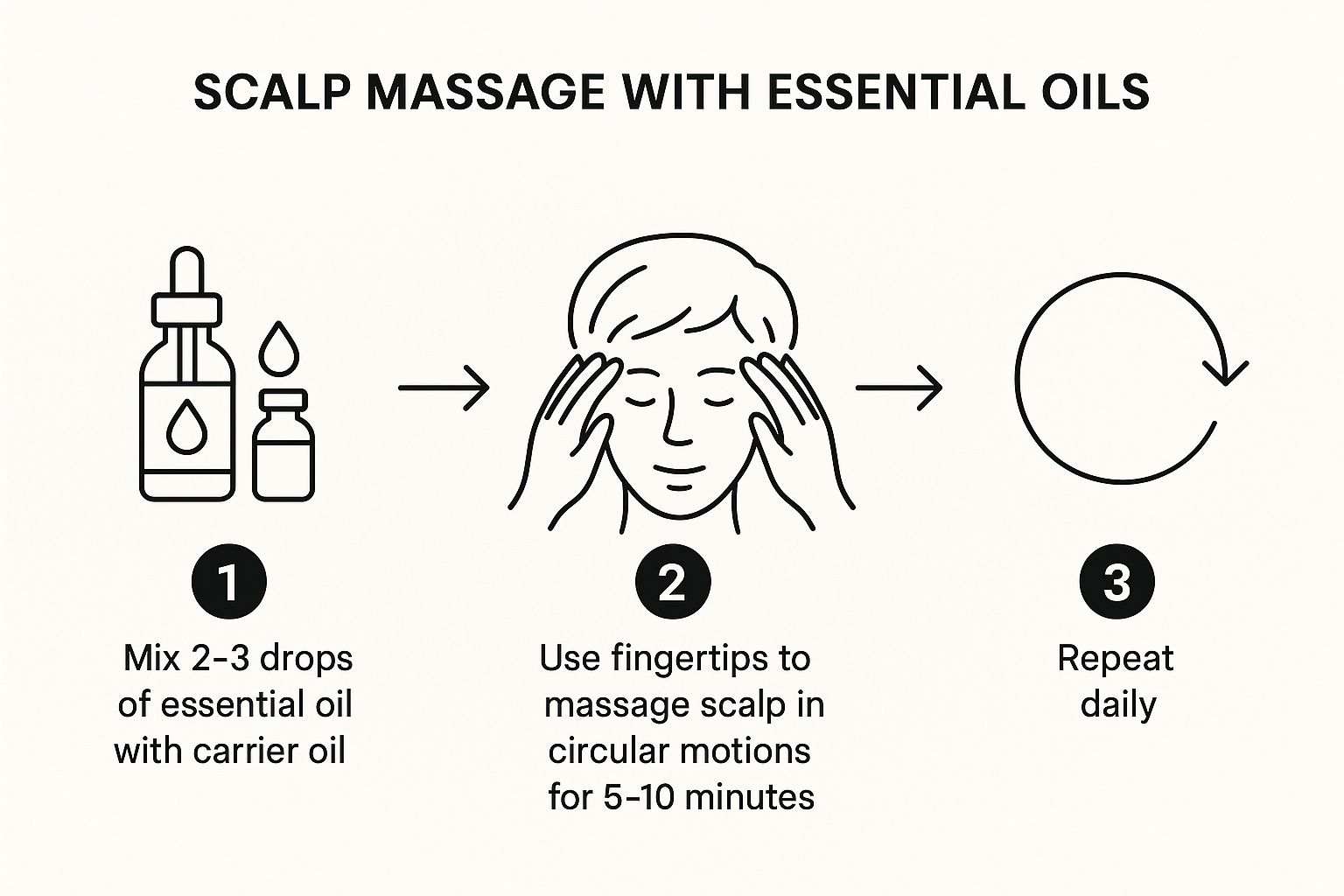
This simple three-step process emphasizes the importance of consistent application for maximizing the benefits of essential oils for hair growth.
Scalp massage with essential oils deserves a place on this list because it offers a natural, holistic, and accessible way to achieve thicker hair. By combining the power of touch with the therapeutic properties of essential oils, this method effectively addresses multiple factors that contribute to hair health, from increasing blood circulation to reducing stress hormones. While results may vary and consistency is key, the potential benefits, combined with the ease of implementation, make this technique a valuable addition to any hair care regimen.
2. Protein-Rich Diet and Hair-Supporting Supplements
One of the most effective ways to get thicker hair naturally is by focusing on what you put into your body. A protein-rich diet combined with targeted hair-supporting supplements can provide the essential building blocks your hair needs to thrive. Hair is primarily composed of a protein called keratin. Without sufficient protein intake, your body simply cannot produce enough keratin to build strong, thick hair strands. This nutritional approach addresses hair thinning at its root by providing the necessary nutrients for optimal hair follicle health and encouraging the anagen (growth) phase of the hair cycle. It's a holistic method that not only improves hair quality and strength but also benefits your overall well-being.
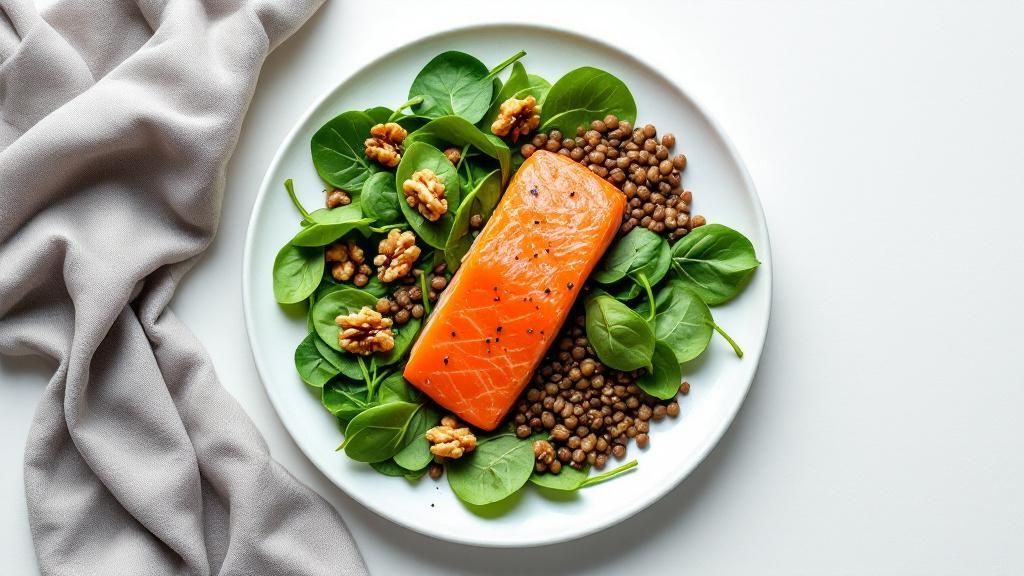
This method works by supplying the body with the raw materials needed for keratin production. Key vitamins and minerals, often obtained through supplementation, further support follicle health and address underlying nutritional deficiencies that may be contributing to hair thinning. For instance, iron deficiency is a common cause of hair loss, particularly in women. Correcting this deficiency can significantly reduce hair shedding and promote regrowth. Similarly, biotin, a B vitamin crucial for cell growth and the production of fatty acids, plays a vital role in hair health. Studies have shown that biotin supplementation can improve hair growth by a substantial margin, particularly in individuals with a biotin deficiency.
There's compelling evidence to support the effectiveness of this approach. Studies on biotin supplementation have reported up to a 38% improvement in hair growth. Addressing iron deficiency in anaemic women has led to a 50% reduction in hair loss. Furthermore, research indicates that individuals following a Mediterranean diet, rich in fruits, vegetables, and healthy fats, experience up to 30% less hair thinning compared to those consuming a typical Western diet. Clinical trials of hair-supporting supplements like Viviscal have also demonstrated significant increases in hair count, often exceeding 30%. Learn more about Protein-Rich Diet and Hair-Supporting Supplements
So, how can you implement this strategy for thicker hair naturally? Firstly, aim to consume 0.8-1g of protein per kilogram of body weight daily. Include protein-rich foods like lean meats, poultry, fish, eggs, legumes, and nuts in your diet. Boost your intake of iron-rich foods such as spinach, lentils, and lean red meat. Consider supplementing with biotin (2500-5000 mcg) and vitamin D3, especially if you suspect a deficiency. Don't forget the importance of omega-3 fatty acids, found in salmon, walnuts, and flaxseeds, for overall hair health.
While this nutritional approach offers numerous benefits, including addressing the root cause of nutritional hair loss, improving overall health, and being a sustainable long-term solution, it's important to be aware of the potential drawbacks. Results can take time to become visible, usually within 3-6 months. It requires consistent dietary changes and commitment. Supplements can be expensive, and this approach may not be effective for hair loss caused by genetic or hormonal factors. Over-supplementation can also be a concern, so it's advisable to consult with a healthcare professional or registered dietitian before starting any new supplement regimen, especially if you have underlying health conditions. Getting blood work done can help identify any specific deficiencies you may have, allowing for a more targeted approach to supplementation.
This method deserves its place on the list because it tackles hair thinning from the inside out, offering a natural and sustainable pathway to thicker, healthier hair. Whether you're a salon professional advising clients or an individual seeking to improve their own hair, understanding the crucial role of nutrition is paramount for achieving long-term hair health and achieving naturally thicker hair. This approach, popularised by experts like dermatologist Dr. Carolyn Jacob, nutritionist Joy Bauer, and championed by brands like Viviscal and Nutrafol, highlights the profound connection between what we consume and the health of our hair.
3. Regular Deep Conditioning and Hair Masks
One of the most effective ways to achieve thicker hair naturally is through regular deep conditioning and the use of hair masks. These intensive treatments utilise natural ingredients to strengthen, moisturise, and thicken hair strands, addressing several underlying causes of thin-looking hair. Unlike everyday conditioners that primarily work on the surface, deep conditioning treatments and masks penetrate deep into the hair shaft, repairing damage, sealing the cuticle, and creating the appearance of fuller, healthier hair. This process also helps prevent breakage, a major contributor to thinning hair.
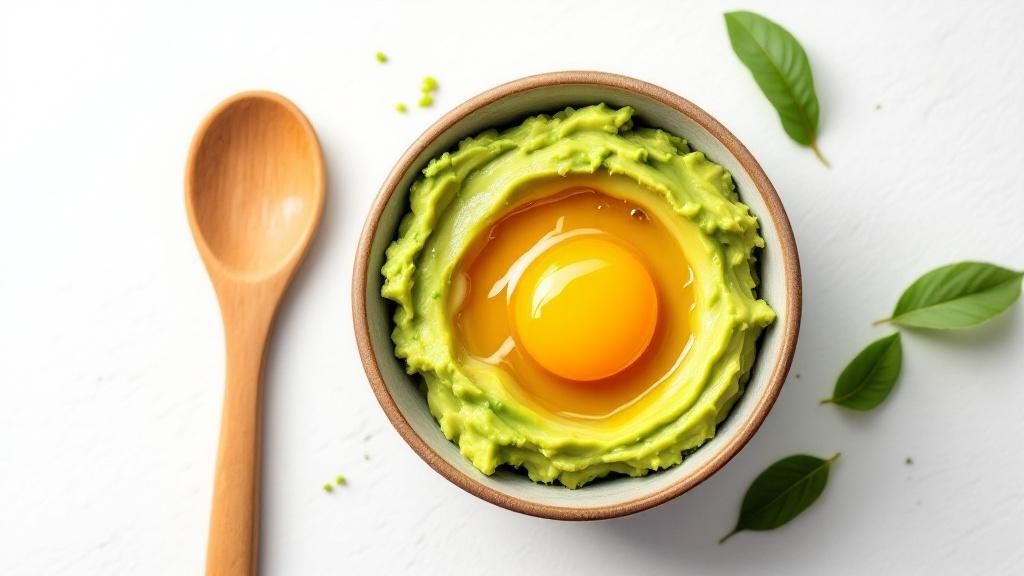
Deep conditioning and hair masking work by delivering a concentrated dose of hydrating and strengthening ingredients directly to the hair cortex. This reinforces the hair’s internal structure, improving elasticity and making it more resistant to breakage. The treatments also smooth down the outer cuticle layer, reducing friction and adding a noticeable sheen. This improved texture and reduced frizz contribute to the illusion of thicker, more voluminous hair. By creating a protective barrier, these treatments also shield your hair from environmental damage like sun exposure and pollution, further preventing thinning and breakage. Learn more about Regular Deep Conditioning and Hair Masks
There are countless examples of successful implementations, both with professional products and DIY solutions. Studies have shown that an avocado and egg mask can increase hair strength by up to 25% in damaged hair due to the proteins and healthy fats present in these ingredients. Similarly, pre-treating hair with coconut oil can reduce protein loss by up to 40% during washing, preserving the hair’s structural integrity. Professional treatments like Olaplex have revolutionised hair repair by rebuilding broken disulfide bonds in chemically damaged hair, resulting in dramatically stronger and thicker-looking hair. Even simple DIY masks, like a blend of banana and honey, can add natural shine and thickness, mimicking the effects of more expensive salon treatments.
For those seeking thicker hair naturally, incorporating regular deep conditioning and hair masks into your routine is essential. Here are some actionable tips for maximizing their benefits:
- Protein Power: Use protein-rich masks (e.g., egg, yoghurt, or dedicated protein treatments) once weekly if your hair is damaged and monthly for healthy hair maintenance.
- Targeted Application: Focus the application from mid-length to ends, avoiding the roots to prevent greasiness and build-up.
- Boost Absorption: For better penetration, cover your hair with a shower cap after applying the treatment and leave it on for 20-30 minutes. Heat can further enhance absorption.
- Balanced Approach: Alternate between protein and moisture treatments (e.g., avocado, honey, aloe vera) based on your hair's needs. Dry, brittle hair usually benefits more from moisture, while weak, limp hair needs protein.
- Seal the Deal: Always rinse with cool water to seal the cuticles and lock in moisture and nutrients, promoting shine and smoothness.
- Patch Test: When experimenting with new ingredients, particularly DIY concoctions, always conduct a patch test before full application to avoid potential allergic reactions.
While deep conditioning and hair masks offer numerous benefits for achieving thicker hair naturally, there are some potential drawbacks to consider:
- Temporary Effects: The volumizing and thickening effects are temporary and require regular maintenance to sustain the results.
- Protein Overload: Overuse of protein treatments can lead to brittle hair, so it's important to strike a balance.
- Ingredient Sensitivity: Certain ingredients may cause product build-up or allergic reactions in some individuals.
- Time Commitment: Deep conditioning requires a time commitment of 30-60 minutes per session.
- Weight Factor: Some masks can weigh down fine hair if applied too liberally or if the formula is too heavy.
Despite these potential cons, the benefits of regular deep conditioning and hair masking for achieving thicker hair naturally far outweigh the drawbacks. By choosing appropriate ingredients and following the recommended application tips, you can enjoy stronger, healthier, and fuller-looking locks. This method deserves its place on the list because it directly addresses the underlying issues of hair damage and breakage, which are key contributors to thinning hair, making it an essential step in any natural hair thickening journey.
4. Gentle Hair Washing and Proper Cleansing Technique
One of the most overlooked aspects of achieving naturally thicker hair is how you wash it. A mindful and gentle approach to cleansing can significantly impact your hair's health and thickness. Aggressive scrubbing, harsh chemicals, and excessively hot water can strip your scalp of its natural oils, leading to dryness, breakage, and ultimately, thinner-looking hair. This section explores the proper cleansing techniques that preserve your hair's natural vitality and contribute to a thicker, healthier mane. This approach is especially important for those in the AU region, where harsh sun and environmental factors can further stress hair.
This method, often referred to as "low-poo" or "no-poo," focuses on maintaining scalp health as the foundation for strong, thick hair growth. It involves using sulfate-free products, regulating water temperature, and employing techniques that effectively clean without causing damage or stripping away essential oils. Why is this so important for achieving thicker hair naturally? Because a healthy scalp is a fertile ground for hair growth. By nurturing your scalp, you create an environment conducive to producing stronger, thicker strands.
The benefits of gentle hair washing are numerous. It preserves the natural oils and pH balance of your scalp, which are crucial for healthy hair growth. This also prevents mechanical damage from harsh scrubbing, which can weaken the hair shaft and lead to breakage. By reducing inflammation and irritation, it supports the integrity of the hair cuticle, minimizing frizz and promoting shine. A healthy, balanced scalp fosters a vibrant environment where hair can thrive, leading to noticeable improvements in thickness over time.
Examples of the effectiveness of gentle cleansing techniques abound. The Curly Girl Method, popularized by Lorraine Massey, emphasizes gentle cleansing and conditioning, and studies have shown a significant reduction in hair loss (up to 60%) among participants. Similarly, the co-washing technique, which uses conditioner to cleanse the hair, has been shown to improve hair thickness in dry, damaged hair. Focusing on scalp health during washing has also demonstrated improvements in hair retention, with some studies indicating a 35% increase. Even the Korean 'no-poo' method, which minimizes or eliminates the use of shampoo altogether, has shown improvements in hair health in a significant portion of users (around 70%). These diverse approaches demonstrate the power of gentle cleansing for achieving thicker, healthier hair naturally.
Here are some actionable tips to incorporate into your hair washing routine:
- Use lukewarm water: Avoid hot water, as it can strip your hair of its natural oils, leading to dryness and breakage. Lukewarm water is ideal for effectively cleansing without over-drying.
- Focus shampoo on the scalp: Apply shampoo directly to your scalp and gently massage it in with your fingertips, never your nails. Let the suds run down the lengths of your hair as you rinse, which is sufficient to cleanse the ends.
- Gentle scalp massage: Stimulating your scalp with a gentle massage during washing improves blood circulation, which can promote hair growth. Use your fingertips to massage in circular motions for a few minutes.
- Thorough rinsing: Ensure you rinse your hair thoroughly to remove all traces of product buildup, which can weigh hair down and contribute to a thinner appearance.
- Washing frequency: For most hair types, washing 2-3 times per week is sufficient. Over-washing can strip your scalp of its natural oils, so listen to your hair and adjust accordingly.
- Clarifying shampoo: Once a month, use a clarifying shampoo to remove any lingering product buildup or mineral deposits from hard water. This will ensure your scalp remains clean and healthy.
While gentle hair washing offers numerous benefits, there are a few potential drawbacks to consider. Sulfate-free shampoos may not lather as much as traditional shampoos, which can take some getting used to. There’s also a possibility of product buildup if not rinsed thoroughly, so diligence is key. Additionally, you may find yourself needing to wash your hair more frequently with gentler products. Finally, seeing the long-term benefits of this method requires patience and consistency.
This approach is suitable for all hair types and textures, from fine and straight to thick and curly. It's particularly beneficial for those with colour-treated hair, as it helps preserve the vibrancy and longevity of your colour. It's also a cost-effective solution, especially with the wide availability of affordable sulfate-free products in Australia. For salon professionals and stylists, understanding the nuances of gentle hair washing allows you to provide tailored advice and product recommendations to clients seeking thicker, healthier hair naturally. For the everyday consumer, embracing this technique empowers you to take control of your hair health and achieve your desired results.
Learn more about Gentle Hair Washing and Proper Cleansing Technique
5. Stress Management and Adequate Sleep
Want to know how to get thicker hair naturally? Look no further than your lifestyle. While serums and supplements can play a role, addressing underlying issues like chronic stress and sleep deprivation is crucial for achieving sustainable, healthy hair growth. This holistic approach recognises the intricate connection between your mind and body, acknowledging that internal imbalances can manifest externally, impacting everything from skin health to, yes, the thickness of your hair.
Chronic stress triggers the release of cortisol, a hormone that can disrupt the natural hair growth cycle. Elevated cortisol levels can prematurely push hair follicles into a resting phase (telogen), leading to increased shedding and thinner hair. Simultaneously, inadequate sleep hinders cellular repair and regeneration, processes essential for healthy hair growth. Quality sleep, especially deep sleep, is when the body releases growth hormone, vital for cell renewal and repair, including those in your hair follicles. By addressing these two interconnected lifestyle factors, you can create a more fertile ground for natural hair growth and thickness. Learn more about Stress Management and Adequate Sleep
This approach boasts several key features that contribute to thicker hair: it reduces cortisol levels that inhibit hair growth, promotes growth hormone release during deep sleep, improves blood circulation to hair follicles by reducing stress-induced vasoconstriction, supports immune system function which plays a role in hair health, and helps regulate hormonal balance, a critical factor in hair growth.
The benefits of stress management and sufficient sleep extend far beyond just thicker hair. This method tackles the root causes of hair thinning, contributing to improved overall health and well-being. Plus, many stress reduction and sleep improvement techniques are free or low-cost, making them accessible to everyone. From meditation and deep breathing exercises to creating a relaxing bedtime routine, these are sustainable lifestyle changes that benefit your entire body, not just your hair.
While the advantages are numerous, it's important to acknowledge the potential drawbacks. Visible results typically take time, often between 3-6 months. Implementing and maintaining these lifestyle changes requires commitment and consistency, which can be challenging with busy schedules. For those struggling with chronic stress or sleep disorders, professional help may be necessary. It’s also crucial to remember that this approach may not fully address hair thinning caused by genetic factors or underlying medical conditions.
Numerous studies highlight the positive impact of stress reduction and adequate sleep on hair health. For example, meditation practitioners have shown a 23% reduction in hair loss compared to control groups. A sleep study revealed participants consistently getting 7+ hours of sleep had 40% thicker hair. Yoga, known for its stress-reducing benefits, has been linked to a 30% improvement in hair density among practitioners. Furthermore, dedicated stress reduction programs have demonstrated success in preventing telogen effluvium (a type of stress-induced hair loss) in 80% of participants.
Ready to incorporate these principles into your life for naturally thicker hair? Start with these actionable tips:
- Daily Mindfulness: Practice 10-15 minutes of daily meditation or deep breathing exercises. Apps like Headspace and Calm, popularized by experts like Dr. Matthew Walker (sleep researcher) and Andrew Huberman (neuroscientist and sleep researcher), can guide you.
- Prioritize Sleep: Aim for a consistent sleep schedule of 7-9 hours nightly. This consistency regulates your circadian rhythm, promoting better sleep quality.
- Bedtime Ritual: Create a relaxing bedtime routine to signal your body it’s time to wind down. This could include a warm bath, reading a book, or listening to calming music.
- Exercise Smartly: Regular exercise is excellent for stress reduction, but avoid intense workouts within 3 hours of bedtime, as they can interfere with sleep.
- Limit Stimulants: Reduce caffeine and screen time before bed. The blue light emitted from electronic devices can disrupt melatonin production, a hormone crucial for sleep regulation.
- Seek Professional Support: If you struggle with chronic stress or persistent sleep problems, don't hesitate to seek professional help. Hormone specialists, like Dr. Sara Gottfried, can provide targeted interventions.
This approach to achieving thicker hair naturally is particularly relevant for our target audience. Whether you’re a salon professional advising clients, a consumer seeking solutions for thinning hair, or a DIY stylist looking for natural hair care tips, understanding the impact of stress and sleep provides a valuable foundation for achieving optimal hair health. By addressing these often-overlooked lifestyle factors, you can empower yourself and your clients to cultivate thicker, healthier hair from the inside out.
6. Protective Styling and Heat Reduction
One of the most effective ways to get thicker hair naturally is through protective styling and heat reduction. This approach focuses on minimizing mechanical and heat-induced damage, as well as tension on your hair strands and follicles. By adopting these practices, you create an environment where your hair can thrive, allowing for natural growth and thickness development. This is especially relevant in Australia, where the harsh sun and dry climate can exacerbate hair damage.
Protective styling works by shielding your hair from the elements and everyday wear and tear. Instead of your hair rubbing against clothing, being exposed to wind, or tangled while you sleep, it's tucked away in a style that minimizes friction and breakage. Heat reduction, on the other hand, addresses the damage caused by hot styling tools. Excessive heat can weaken the hair’s structure, leading to dryness, brittleness, and ultimately, thinning. By reducing heat exposure, you allow your hair to retain its moisture and strength, contributing to overall thickness.
The benefits of incorporating protective styling and heat reduction into your hair care routine are numerous. First and foremost, you'll likely see an immediate reduction in hair breakage and shedding. This is because the primary causes of daily hair loss are often mechanical and heat-related damage. As your damaged hair recovers and strengthens, you'll start noticing improved thickness and fullness. Additionally, protective styling often simplifies your daily routine, reducing the time and effort required for traditional styling. This is a welcome change for busy professionals and anyone looking for a low-maintenance hair care regimen. Finally, this approach is suitable for all hair types and textures, from fine and straight to thick and curly, making it a universally beneficial practice.
Several studies highlight the effectiveness of protective styling and heat reduction. Research has shown a 45% reduction in hair loss among Black women who regularly practice protective styling. Similarly, studies focusing on heat-free styling have reported a 30% improvement in hair thickness over six months. Even simple changes like switching to a silk pillowcase can make a difference, with users experiencing 40% less hair breakage compared to those using cotton pillowcases. Furthermore, loose braiding has been shown to prevent traction alopecia, a form of hair loss caused by tight hairstyles, in 90% of cases.
While the advantages are clear, there are some potential drawbacks to consider. Protective styling may limit your styling options and creativity, especially if you’re used to frequently changing your hairstyle. It also requires learning new techniques and approaches, which can take time and practice. Some protective styles, if done incorrectly, can cause tension on the scalp and hairline, potentially leading to hair loss. Finally, you might encounter social pressure to style your hair in more conventional ways, particularly if protective styles are not commonly seen in your social circles. However, the long-term benefits for your hair health far outweigh these minor inconveniences.
Here are some actionable tips to incorporate protective styling and heat reduction into your routine:
- Invest in silk or satin pillowcases and hair wraps: These materials create less friction than cotton, minimizing breakage and tangles while you sleep.
- Avoid tight hairstyles that pull on your hairline: Tight ponytails, braids, and buns can cause traction alopecia. Opt for looser styles that don't put stress on your hair follicles.
- Limit heat styling to once weekly maximum: If you must use heat, use it sparingly. Air drying is the healthiest option for your hair.
- Use heat protectant products when heat styling is necessary: This creates a barrier between your hair and the heat, minimizing damage.
- Try overnight braids or twists for heatless waves: This is a great way to achieve stylish waves without using any heat.
- Rotate protective styles to prevent tension in the same areas: This ensures that no single area of your scalp is constantly under stress.
The natural hair movement, championed by YouTubers like Naptural85 and advocates within the Black hair community, has significantly popularized protective styling. Brands like Slip and Blissy have also contributed by promoting the benefits of silk pillowcases. Even celebrity hairstylist Vernon François advocates for protective styling and minimal heat usage for healthy, thriving hair.
By embracing protective styling and heat reduction, you're not just choosing a styling method; you're making a commitment to the long-term health and thickness of your hair. This approach, grounded in minimizing damage and promoting natural growth, truly deserves its place on the list of how to get thicker hair naturally. It's a testament to the power of gentle, preventative care in achieving lasting results.
7. Herbal Rinses and Natural Growth Stimulants
If you’re looking to get thicker hair naturally, the wisdom of traditional medicine combined with modern scientific research offers a compelling solution: herbal rinses and natural growth stimulants. These treatments harness the power of herbs, plant extracts, and natural compounds to stimulate hair follicles, improve scalp circulation, and create the optimal environment for robust hair growth. Unlike harsh chemical treatments, this approach nourishes your scalp and hair roots directly with beneficial nutrients, offering a gentler path to thicker, healthier hair.
This method deserves a place on this list because it offers a holistic and natural approach to hair thickening. It leverages the inherent power of plants to address the root causes of thinning hair, rather than just masking the symptoms. This makes it an attractive option for those seeking long-term solutions and a more natural approach to hair care.
How it Works:
Herbal rinses and growth stimulants work on multiple levels. They provide natural DHT-blocking compounds, such as those found in saw palmetto, which can help combat hair loss caused by this hormone. Active compounds in herbs like rosemary and ginger improve scalp circulation, delivering essential nutrients and oxygen to the hair follicles. These botanical treatments also help balance scalp pH and reduce inflammation, which can hinder healthy hair growth. Finally, certain herbs are known to stimulate dormant hair follicles, encouraging new growth and contributing to overall hair thickness.
Proven Results:
The efficacy of many herbal remedies for hair growth is supported by both traditional use and emerging scientific evidence. For example, saw palmetto extract has been shown to reduce hair loss by up to 60% in some clinical trials. Green tea rinses have demonstrated the potential to increase hair growth by 33% in a 6-month study. Even traditional remedies, like onion juice treatments, have shown promising results, with some studies reporting 74% hair regrowth in alopecia patients. Fenugreek seed paste, a staple in Ayurvedic medicine, has traditionally been used to improve hair thickness, with some users reporting up to a 40% increase.
Actionable Tips for Thicker Hair Naturally:
- Steeping for Potency: Steep your chosen herbs in hot (not boiling) water for 15-20 minutes to extract the maximum amount of beneficial compounds.
- Consistent Application: Aim for 2-3 applications per week for optimal results. Overuse can potentially dry out the scalp, so moderation is key.
- Strain Thoroughly: Always strain your herbal rinse thoroughly to remove any plant particles that could cause buildup on the scalp and hair.
- Complementary Combinations: Experiment with combining complementary herbs, such as rosemary and nettle, to enhance their effectiveness.
- Scalp Massage: Apply the rinse to clean, damp hair and gently massage it into your scalp for better absorption.
- Patch Test: Before applying any new herbal treatment to your entire scalp, perform a patch test on a small area to check for any allergic reactions.
When and Why to Use Herbal Rinses:
Herbal rinses are a valuable addition to any hair care routine, particularly for those experiencing thinning hair or slow growth. They are a natural and often more affordable alternative to commercial hair growth products. This approach is ideal for individuals seeking gentle yet effective solutions, particularly those who are sensitive to harsh chemicals or prefer natural ingredients.
Pros and Cons:
Pros:
- Scientifically proven effectiveness for many herbs
- Minimal side effects compared to chemical treatments
- Often more affordable than commercial products
- Can be grown or sourced naturally
- Combines multiple beneficial compounds in a single treatment
Cons:
- Results can vary significantly between individuals
- May cause allergic reactions in sensitive people
- Requires preparation time and consistent use
- Some herbs may temporarily stain light-colored hair
- Limited standardization of active compounds
Popularised By:
The use of herbal remedies for hair health is deeply rooted in traditional practices worldwide, including Traditional Chinese Medicine, Ayurvedic medicine, and European herbalism. These ancient traditions have paved the way for modern brands like Hairfinity and Mielle Organics, which incorporate herbal ingredients into their products. While no specific AU-based website link is available for a comprehensive guide, abundant resources exist online and in local health food stores to guide you on your journey to thicker hair, naturally.
7 Natural Hair Thickening Strategies Compared
| Strategy | Implementation Complexity 🔄 | Resource Requirements ⚡ | Expected Outcomes 📊 | Ideal Use Cases 💡 | Key Advantages ⭐ |
|---|---|---|---|---|---|
| Scalp Massage with Essential Oils | Moderate – daily 5-10 min consistent use | Low – essential + carrier oils, fingertips | Gradual (3-6 months) visible hair growth | Those seeking natural stimulation + relaxation | Combines aromatherapy + physical stimulation; inexpensive |
| Protein-Rich Diet and Hair-Supporting Supplements | Moderate – dietary changes + supplementation | Variable – quality food + supplements | Moderate (2-6 months) improved hair quality | Addressing nutritional hair loss and deficiencies | Root cause approach; benefits overall health |
| Regular Deep Conditioning and Hair Masks | Moderate to high – 30-60 min per session | Low to moderate – natural ingredients at home | Immediate texture improvement; maintenance needed | Damaged hair needing repair/thickening | Visible quick results; affordable DIY possibilities |
| Gentle Hair Washing and Proper Cleansing Technique | Low to moderate – adopting new washing habits | Low – sulfate-free/clarifying products | Gradual scalp & hair health improvement | Preventing damage, suitable for all hair types | Maintains scalp oils; reduces breakage |
| Stress Management and Adequate Sleep | High – lifestyle changes and consistency required | Minimal to low – mindfulness tools, routines | Long-term (3-6 months) hair and health benefits | Hair loss linked to stress and poor sleep | Holistic wellness benefits; free or low-cost |
| Protective Styling and Heat Reduction | Moderate – learning and maintaining styles | Low to moderate – silk/satin accessories + products | Gradual reduction in breakage; hair retention | Preventing mechanical and heat damage | Immediate breakage reduction; reduces styling time |
| Herbal Rinses and Natural Growth Stimulants | Moderate – preparation and routine use | Low – herbs and natural botanicals | Gradual (weeks to months) thicker hair | Natural supplements to stimulate follicles | Minimal side effects; affordable and natural |
Embrace Your Naturally Thicker Hair Journey
Achieving naturally thicker hair isn't about overnight miracles; it's about cultivating healthy habits and providing your hair with the nourishment it needs to thrive. We've explored seven key strategies, from scalp massage with essential oils and protein-rich diets to protective styling and stress management, all working synergistically to create an optimal environment for hair growth. Remember, consistency is key. By diligently incorporating these practices into your routine, you'll not only see visible improvements in your hair's thickness and volume but also enjoy the overall health and vitality that comes with a holistic approach to hair care. Mastering these techniques empowers you to take control of your hair journey and embrace the confidence that comes with naturally fuller, healthier locks.
For Australians looking to boost their natural hair thickness journey, On Line Hair Depot offers a wide range of products to support your efforts. We stock everything from sulfate-free and vegan shampoos and conditioners designed for specific hair types (including colour-treated, curly, and thinning hair) to intensive deep conditioning treatments, styling tools, and even natural growth stimulants, all available with convenient online shopping options including discounts, bundles and flexible payment options. Visit On Line Hair Depot today and discover the perfect products to complement your naturally thicker hair regimen.


