

Is Your Scalp Feeling Thirsty?
A dry, itchy scalp can be uncomfortable and frustrating. This listicle offers eight effective dry itchy scalp remedies to soothe irritation and restore scalp health. Whether you're battling dandruff, dealing with the effects of harsh products, or simply struggling with dry weather, these solutions range from natural home remedies like tea tree oil and apple cider vinegar to professional-grade medicated shampoos and scalp massage techniques. We'll also explore environmental controls and highlight options for various needs, including colour-treated hair, curly hair, and sensitive scalps. Find relief and discover what works best for you.
1. Tea Tree Oil Treatment
A dry, itchy scalp can be incredibly frustrating, impacting comfort and confidence. Among the numerous remedies available, tea tree oil stands out as a potent natural solution. Derived from the Australian tea tree ( Melaleuca alternifolia ), this essential oil boasts antifungal and antibacterial properties, making it a powerful tool in combating the root causes of scalp irritation. It works by reducing inflammation, tackling fungal infections like dandruff, and providing antimicrobial action that helps restore the scalp's natural balance. This multifaceted approach addresses not just the symptoms, but also underlying issues contributing to a dry, itchy scalp, earning it a well-deserved spot on this list of effective remedies.
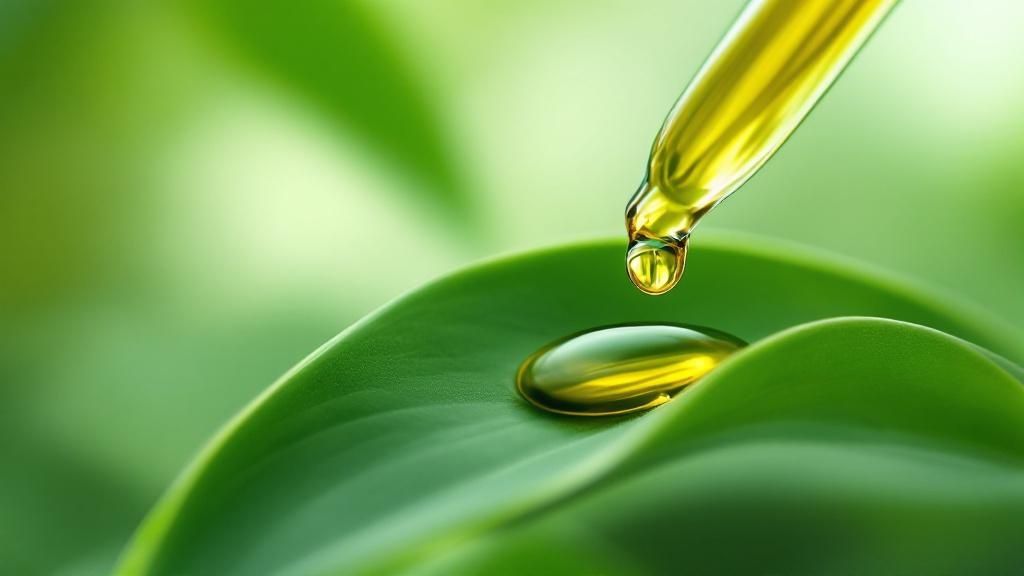
Tea tree oil's effectiveness lies in its unique composition. It contains terpinen-4-ol, a potent anti-inflammatory compound that soothes irritated skin and reduces redness. Furthermore, its antifungal properties combat Malassezia globosa, the yeast-like fungus often responsible for dandruff. The oil's ability to penetrate hair follicles allows for deep cleansing, removing build-up and excess sebum that can contribute to itchiness and dryness. By regulating the scalp's natural oil production, tea tree oil promotes a healthy scalp environment, offering long-term relief from dry, itchy scalp.
For salon professionals and stylists, incorporating tea tree oil treatments can provide clients with a natural and effective solution for scalp issues. Professional-grade products like Paul Mitchell's Tea Tree Special Shampoo, a staple in many salons, harness the power of tea tree oil for a deep cleanse and invigorating scalp treatment. This allows stylists to offer clients a premium experience while addressing specific scalp concerns.
Even for everyday consumers, numerous products incorporate tea tree oil. The Body Shop's Ginger Anti-Dandruff Shampoo with tea tree oil provides an accessible option for those seeking a readily available solution. For the budget-conscious, exploring online retailers often reveals discounts, bundles, and flexible payment options for tea tree oil-based shampoos and treatments. Eco-conscious consumers can also find vegan and sulfate-free formulas, ensuring their hair care aligns with their values. DIY enthusiasts and aromatherapy practitioners worldwide continue to explore the versatile uses of tea tree oil, crafting personalized treatments for dry itchy scalp remedies.
While tea tree oil offers numerous benefits, it’s crucial to use it correctly. Always dilute tea tree oil with a carrier oil, such as coconut or jojoba oil, at a 5-10% concentration before applying it directly to the scalp. This helps prevent skin irritation and allergic reactions, especially for those with sensitive skin. Performing a patch test 24 hours before the first application is essential. Apply a small amount of diluted tea tree oil to a discreet area of skin and observe for any adverse reactions. If no irritation occurs, proceed with the scalp treatment.
To effectively treat a dry, itchy scalp with tea tree oil, apply the diluted mixture to a damp scalp and massage gently for 5-10 minutes. This allows the oil to penetrate the hair follicles and effectively address the underlying causes of irritation. Initially, use the treatment 2-3 times per week, gradually reducing the frequency to once a week for maintenance as your scalp condition improves.
Tea tree oil offers a clinically proven, natural alternative to harsh chemical treatments for dry, itchy scalp. It provides immediate soothing relief from itching and promotes long-term scalp health improvement. While it’s powerful, remember that overuse can lead to dryness, and the strong scent might not appeal to everyone. However, used correctly, tea tree oil provides a valuable natural solution for dry itchy scalp remedies, as initially used by Australian Aboriginal peoples and later popularized by brands like Paul Mitchell and recognized by dermatologists like Dr. Joshua Zeichner. By following these guidelines, you can harness the power of this remarkable essential oil to achieve a healthy, comfortable, and itch-free scalp.
2. Apple Cider Vinegar Rinse
A dry, itchy scalp can be incredibly uncomfortable and frustrating. If you're looking for a natural and effective remedy, an apple cider vinegar (ACV) rinse might be just what you need. This pantry staple has gained popularity as a dry itchy scalp remedy due to its ability to restore the scalp's natural pH balance, remove product buildup, and soothe irritation. ACV's acidic nature, primarily from acetic and malic acids, works to gently exfoliate dead skin cells and excess oils that can contribute to itching and dryness. It also offers antimicrobial and antifungal properties, helping to combat potential microbial imbalances that can exacerbate scalp issues. This makes it an excellent option for those seeking a natural approach to scalp health within the broader context of dry itchy scalp remedies.
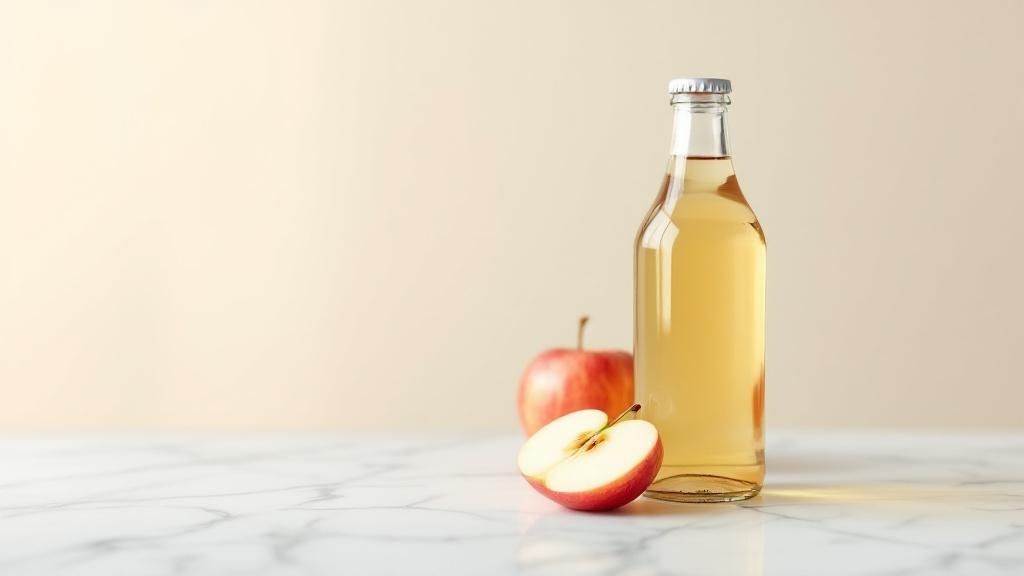
The optimal pH of the scalp lies somewhere between 4.5 and 5.5, slightly acidic. Shampoos, conditioners, styling products, and even environmental factors can disrupt this delicate balance, leading to a more alkaline environment. This alkalinity can irritate the scalp, stimulate excess oil production, and contribute to dryness and itching. ACV, with its natural acidity (typically around a pH of 4.5-5.5), helps to bring the scalp back to its optimal pH range, promoting a healthier scalp environment and reducing the likelihood of dryness and itchiness. This makes an apple cider vinegar rinse a particularly attractive option for those seeking dry itchy scalp remedies.
The benefits of an ACV rinse extend beyond pH balancing. Its gentle exfoliating action helps to remove product buildup, which can clog hair follicles and contribute to scalp irritation. This is particularly beneficial for those who frequently use styling products or live in areas with hard water. Additionally, ACV’s antimicrobial properties can help address fungal or bacterial imbalances that can exacerbate itching and flaking.
The use of ACV rinses is not a new phenomenon. Bragg Live Food Products company, well-known for its apple cider vinegar, has long touted its benefits for hair and scalp health. Celebrities like Scarlett Johansson, Miranda Kerr, and Katy Perry have also been known to incorporate ACV rinses into their hair care routines, contributing to its rise in popularity. Furthermore, ACV has become a staple within the “no-poo” movement, where individuals forego traditional shampoos in favour of natural cleansing methods. You may also find professional salon treatments incorporating ACV rinses, highlighting its acceptance within the professional hair care industry.
While an apple cider vinegar rinse offers numerous benefits for dry itchy scalp remedies, it’s important to be aware of the potential drawbacks. The strong vinegar smell can be off-putting for some and may linger in the hair, especially for those with highly porous hair. It’s crucial to dilute ACV properly, as undiluted application can cause burns to the scalp. Individuals with very sensitive scalps should exercise caution and perform a patch test before applying the rinse to their entire scalp. Additionally, ACV can potentially fade colour-treated hair over time, so it’s important to monitor for any colour changes.
To use an ACV rinse effectively, mix 2-4 tablespoons of raw, unfiltered apple cider vinegar with 16 ounces of water. Apply the mixture to your scalp after shampooing, massaging gently for 1-2 minutes. Rinse thoroughly with cool water to remove any residual vinegar. For best results, and to avoid over-acidifying your scalp, use the rinse once or twice a week. You can Learn more about Apple Cider Vinegar Rinse and how to incorporate it into a double cleansing routine for optimal scalp health. For those seeking an inexpensive, natural, and effective approach to managing a dry, itchy scalp, an apple cider vinegar rinse is definitely worth considering.
3. Coconut Oil Deep Conditioning
Dry, itchy scalp can be a persistent and frustrating problem, but relief might be as close as your pantry. Coconut oil deep conditioning is a natural and effective remedy that has been used for centuries to combat scalp dryness and promote healthy hair growth. This method harnesses the power of coconut oil's unique composition to hydrate the scalp, fight irritation, and leave hair feeling soft and revitalized. It's a popular choice for those seeking a natural solution to dry, itchy scalp remedies.
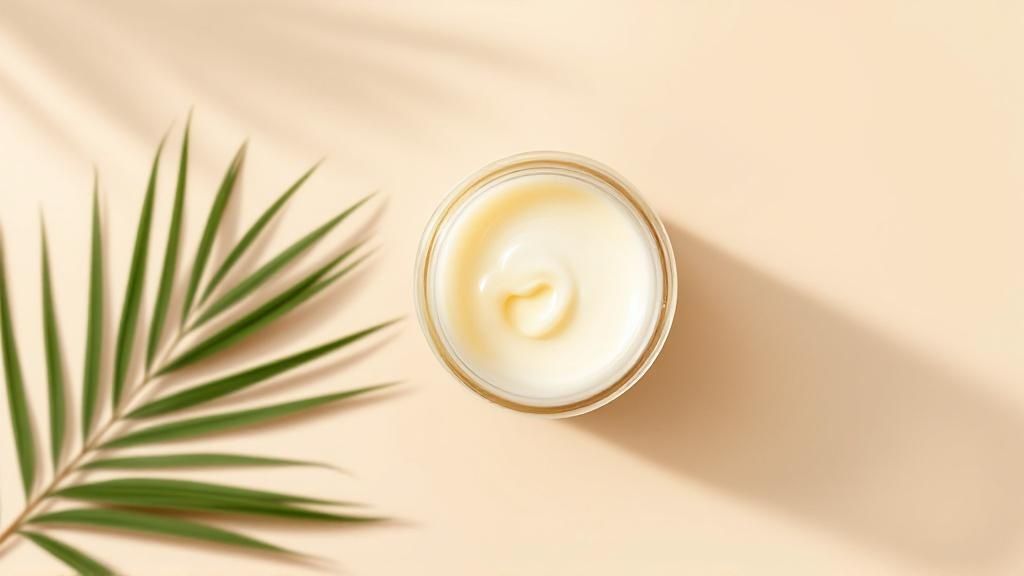
Coconut oil’s efficacy lies in its high concentration of lauric acid, a medium-chain fatty acid with potent antimicrobial properties. Unlike other oils, coconut oil’s low molecular weight allows it to penetrate the hair shaft effectively, delivering deep hydration to both the scalp and hair while creating a protective barrier against moisture loss. This barrier helps lock in moisture, preventing the dryness that often leads to itching and irritation. Additionally, the lauric acid combats potential fungal or bacterial infections that can exacerbate scalp issues. This makes coconut oil a particularly effective dry itchy scalp remedy for individuals dealing with conditions like seborrheic dermatitis or dandruff.
Examples of coconut oil's effectiveness in hair care are plentiful. Ayurvedic practitioners in India have used coconut oil for centuries as a key ingredient in their hair treatments, recognizing its ability to nourish the scalp and improve hair health. More recently, the beauty industry has caught on, with luxury hair brands like Moroccanoil incorporating coconut oil into their formulations. The traditional hair care practices of Caribbean and Pacific Islander cultures also highlight the long-standing use of coconut oil for maintaining healthy and vibrant hair.
For salon professionals and stylists, recommending coconut oil deep conditioning treatments can provide clients with a natural and effective solution for dry, itchy scalp. This is particularly beneficial for those with colour-treated hair, as coconut oil can help replenish moisture lost during the colouring process. For everyday consumers looking for specialized hair care solutions, coconut oil offers a cost-effective and readily available option. It’s suitable for various hair types, including curly and thinning hair, although those with fine or oily hair should use it sparingly to avoid weighing down their locks. Budget-conscious online shoppers will appreciate the affordability and multi-purpose nature of coconut oil. Eco-conscious consumers can also find solace in its natural and cruelty-free nature. For DIY enthusiasts, coconut oil deep conditioning is a simple yet effective treatment they can easily incorporate into their hair care routine. Learn more about Coconut Oil Deep Conditioning
To maximize the benefits of coconut oil deep conditioning for dry itchy scalp remedies, consider these tips:
- Warm the oil: Gently warm a small amount of coconut oil in your hands or a double boiler to make it easier to apply. Avoid microwaving, as this can destroy some of its beneficial properties.
- Apply to dry hair and scalp: Focus on the ends of your hair, which tend to be the driest. Massage the oil into your scalp using gentle circular motions to stimulate blood flow and promote absorption.
- Leave on for 30 minutes to overnight: For a deep treatment, leave the oil on for several hours or overnight. Wrap your hair in a warm towel or shower cap to enhance penetration.
- Wash thoroughly: Use a clarifying shampoo to remove the oil completely. You may need to shampoo twice, especially if you have fine or oily hair.
- Frequency: For dry, itchy scalp, aim for a weekly treatment. Adjust the frequency as needed based on your scalp's condition.
While coconut oil offers numerous benefits, it’s important to be aware of potential drawbacks. It can be comedogenic for some people, meaning it may clog pores and lead to breakouts. If you have acne-prone skin, avoid applying coconut oil near your hairline. Also, as mentioned, it can weigh down fine or oily hair, so use it sparingly. Finally, be prepared for a thorough wash, as coconut oil can be difficult to remove completely.
Coconut oil deep conditioning stands out as a highly effective dry itchy scalp remedy due to its moisturizing, antimicrobial, and strengthening properties. It's a natural, cost-effective, and accessible solution for a common hair and scalp problem, making it a valuable addition to any hair care routine, especially for those in the dry Australian climate.
4. Aloe Vera Gel Application
Dealing with a dry, itchy scalp can be incredibly frustrating. It can lead to discomfort, flaking, and even hair damage. Fortunately, nature offers a soothing solution: aloe vera gel. This remarkable plant has been a staple in traditional medicine for centuries, prized for its healing and moisturizing properties. As a dry itchy scalp remedy, aloe vera gel offers a gentle yet effective way to combat irritation and restore scalp health, earning it a well-deserved spot on this list.
Aloe vera gel contains over 75 active compounds, including vitamins, minerals, amino acids, and enzymes. This rich composition provides a multitude of benefits for the scalp. Its anti-inflammatory properties help soothe irritated scalp tissue, reducing redness and itching. The antimicrobial action can help combat any underlying microbial imbalances that may be contributing to the dryness and itchiness. Furthermore, aloe vera's moisturizing properties hydrate the scalp without clogging pores, unlike heavier oils or creams. This makes it suitable for all hair types, even those prone to oiliness. The high water content (around 99%) of pure aloe vera gel, coupled with these concentrated active compounds, allows for deep penetration and hydration without leaving a greasy residue.
Specifically, the vitamins present in aloe vera, such as vitamins A, C, E, and B vitamins, nourish the scalp and promote healthy hair growth. Vitamin A, for instance, is crucial for cell turnover and sebum regulation, preventing excessive dryness. Vitamin C, a powerful antioxidant, protects the scalp from environmental damage. Vitamin E further enhances scalp health with its moisturizing and anti-inflammatory properties. The B vitamins contribute to healthy cell function and hair growth. In addition to these vitamins, aloe vera contains natural enzymes that gently exfoliate the scalp, removing dead skin cells that can contribute to itching and flaking. The cooling and soothing properties provide immediate relief from the discomfort of a dry, itchy scalp.
The versatility of aloe vera gel as a dry itchy scalp remedy is evident in its suitability for various hair types and scalp sensitivities. Whether you have colour-treated hair, curly hair, thinning hair, or a sensitive scalp, aloe vera can be a beneficial addition to your hair care routine. Its gentle nature makes it suitable for daily use without causing irritation or buildup.
Throughout history, aloe vera has been recognized for its healing properties. Ancient Egyptian and Greek physicians utilized it for various skin ailments, including scalp conditions. Today, dermatologists like Dr. Dray often recommend aloe vera for its soothing and hydrating benefits. Natural skincare brands like Burt's Bees also incorporate aloe vera into their products, highlighting its widespread acceptance and efficacy. Even Fruit of the Earth Aloe Vera Gel, commonly used in hospitals for burn treatment, can be effectively used to address dry, itchy scalp. Another example is the Cantu Aloe Vera Leave-In Conditioning Repair Cream which harnesses the power of aloe vera for hair care.
To maximize the benefits of aloe vera for your dry itchy scalp, consider the following tips:
- Opt for Purity: Use 99% pure aloe vera gel for the best results. Avoid products with added fragrances or chemicals that could irritate your scalp.
- Direct Application: Apply the aloe vera gel directly to a clean, damp scalp. This allows for better absorption and distribution.
- Gentle Massage: Massage the gel gently into your scalp using your fingertips. This stimulates blood circulation and helps the aloe vera penetrate deeper.
- Leave-In Treatment: Leave the aloe vera gel on for 20-30 minutes to allow it to fully absorb and work its magic.
- Regular Use: Aloe vera is gentle enough for daily use. Incorporate it into your routine as needed to maintain a healthy and hydrated scalp.
While aloe vera offers numerous benefits, it’s important to be aware of the potential drawbacks. The effects can be temporary, requiring frequent application. The quality of aloe vera gel products can vary significantly, so choose reputable brands. Extracting and applying fresh aloe vera can be messy. Finally, while rare, some individuals may be allergic to aloe vera, so it’s always best to do a patch test before applying it to your entire scalp.
By understanding the properties and benefits of aloe vera gel, and following these simple tips, you can effectively combat a dry, itchy scalp and enjoy a healthier, more comfortable scalp.
5. Oatmeal Scalp Mask
Dealing with a dry, itchy scalp can be incredibly frustrating. Constant scratching, flaking, and discomfort can impact your confidence and overall well-being. Thankfully, a simple pantry staple can offer a surprisingly effective solution: oatmeal. An oatmeal scalp mask is a gentle yet powerful remedy for dry itchy scalp, providing soothing relief and promoting a healthy scalp environment. This natural approach harnesses the power of colloidal oatmeal, which is essentially finely ground oats, to combat irritation and restore balance. This makes it a worthy addition to any list of dry itchy scalp remedies.
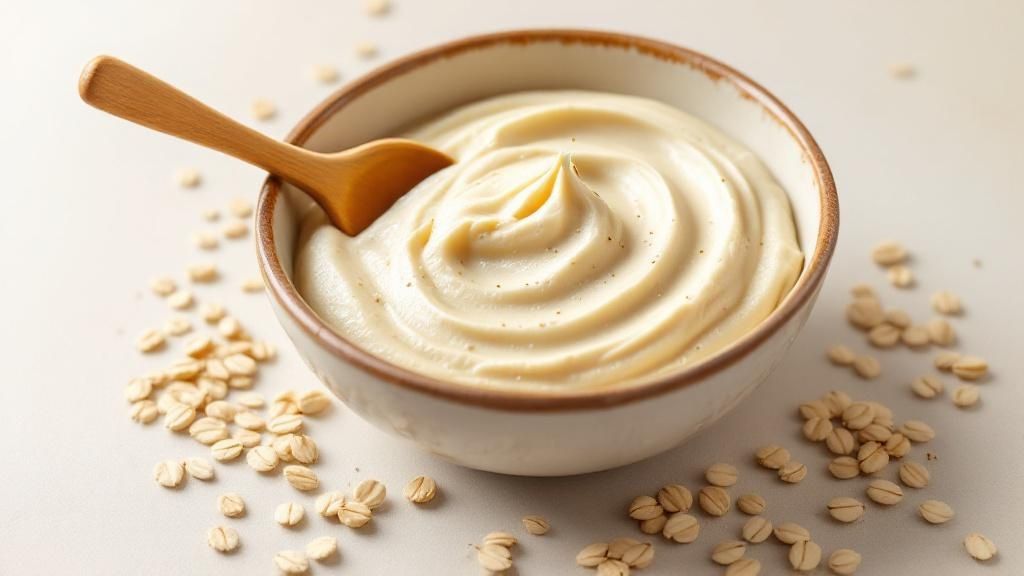
The magic of colloidal oatmeal lies within its unique composition. It contains avenanthramides, powerful anti-inflammatory and anti-itch compounds that work to calm irritated skin. Beyond avenanthramides, oatmeal boasts beta-glucan fibers, which create a protective moisture barrier on the scalp, preventing further dryness and locking in hydration. Furthermore, the natural saponins in oatmeal act as gentle cleansers, removing dirt and excess oil without stripping the scalp of its natural oils, a common culprit in dryness and itchiness. Finally, oatmeal's pH buffering properties help maintain the delicate balance of the scalp's microbiome, crucial for healthy hair growth and preventing further irritation. This combination of cleansing, moisturizing, and anti-inflammatory properties makes an oatmeal scalp mask a versatile and effective treatment for various scalp conditions.
The effectiveness of colloidal oatmeal isn't just anecdotal; it's scientifically recognized. The FDA has approved colloidal oatmeal for treating skin irritation, further validating its soothing properties. You can find colloidal oatmeal incorporated into various skincare products, particularly from brands like Aveeno, a subsidiary of Johnson & Johnson, which has popularized its use in recent years. Furthermore, many spa treatments incorporate oatmeal masks for their gentle exfoliating and moisturizing benefits, demonstrating their acceptance within the professional beauty industry. Oatmeal's use in soothing skin ailments also extends to traditional folk remedies across European cultures, highlighting its long-standing reputation as a natural healer.
For those looking for a DIY dry itchy scalp remedy, an oatmeal mask is easy to prepare at home. Simply grind plain oats into a fine powder using a blender. Avoid using instant or flavored oats, as these often contain added sugars and other ingredients that can irritate the scalp. Mix the oat powder with warm water to create a paste-like consistency. Apply the mixture to your damp scalp and massage gently for a few minutes to ensure even distribution and allow the beneficial compounds to penetrate. Leave the mask on for 15-20 minutes, then rinse thoroughly with lukewarm water. Make sure to remove all residue to avoid any build-up. For optimal results, use the mask once or twice a week as part of your regular hair care routine.
While oatmeal masks are generally safe and effective, there are a few considerations. The preparation can be a bit messy, and the mask might leave residue if not rinsed properly. Additionally, while incredibly soothing, the results might be more subtle compared to stronger, medicated treatments. Finally, preparing fresh batches can be time-consuming, though the benefits often outweigh this minor inconvenience.
Whether you’re a salon professional seeking natural remedies for your clients or an individual struggling with a dry, itchy scalp, an oatmeal mask provides a gentle, affordable, and accessible solution. Its multi-faceted benefits, combined with its ease of preparation, make it a worthwhile addition to your hair care arsenal. From its gentle cleansing and moisturizing properties to its powerful anti-inflammatory action, an oatmeal scalp mask offers a holistic approach to achieving a healthy, comfortable scalp and vibrant, healthy hair.
6. Medicated Anti-Dandruff Shampoos
Dry, itchy scalp can be incredibly frustrating, impacting not only your comfort but also your confidence. While several remedies exist, medicated anti-dandruff shampoos often provide the most direct and effective solution, earning their spot as a top dry itchy scalp remedy. These shampoos are formulated with active ingredients that target the root causes of scalp irritation, offering relief and restoring scalp health. They go beyond simply addressing the symptoms, working to combat the underlying issues that contribute to dandruff and itching.
So, how do they work? Medicated anti-dandruff shampoos utilize specific active ingredients to combat various scalp conditions. These ingredients work in different ways to address the multiple factors that can contribute to a dry, itchy scalp. For instance, zinc pyrithione, found in popular brands like Head & Shoulders, has antifungal and antibacterial properties, effectively controlling Malassezia globosa, a yeast-like fungus often implicated in dandruff. Selenium sulfide, the active ingredient in Selsun Blue, also targets this fungus and helps slow down the rapid skin cell turnover that leads to flaking. Ketoconazole, present in Nizoral, is a potent antifungal agent used for more stubborn cases of dandruff, particularly those caused by fungal overgrowth. Salicylic acid, another common ingredient, helps to exfoliate the scalp, removing dead skin cells and reducing scaling. These clinically tested formulations come in various strengths, from readily available over-the-counter options to prescription-strength solutions for severe cases. This allows you to choose a product that aligns with the severity of your dry, itchy scalp.
The benefits of using medicated anti-dandruff shampoos are numerous. Their scientifically proven effectiveness translates to fast results, often noticeable within just one or two weeks. By targeting the root causes rather than just masking the symptoms, these shampoos offer a more long-term solution. Moreover, their widespread availability, coupled with recommendations from dermatologists, makes them an accessible and trusted option for many. For example, Head & Shoulders, the world's leading anti-dandruff brand, has become a household name, synonymous with dandruff control thanks to its widespread use and effectiveness. Similarly, Selsun Blue is widely recognized for its efficacy in tackling stubborn dandruff, while Nizoral is often recommended by healthcare professionals for fungal-related scalp issues. These established brands, alongside numerous others, demonstrate the widespread adoption and success of medicated anti-dandruff shampoos.
However, like any treatment, medicated anti-dandruff shampoos also have potential drawbacks. Some of the active ingredients can be harsh, potentially causing irritation or dryness, especially with frequent use. For this reason, it's important to choose a formulation that suits your scalp’s sensitivity. They can also be more expensive than regular shampoos. Additionally, stronger formulations containing ingredients like ketoconazole might require a prescription in Australia.
To maximize the effectiveness of these shampoos while minimizing potential side effects, follow these tips: Use the medicated shampoo 2-3 times per week, alternating with a gentle, moisturizing shampoo to prevent dryness. When applying, focus on the scalp and leave the shampoo on for 3-5 minutes before rinsing thoroughly. This allows the active ingredients sufficient time to work. Follow up with a moisturizing conditioner, applying it only to the ends of your hair to avoid further build-up on the scalp. If you don't see any improvement in your dry, itchy scalp after four weeks of consistent use, it's advisable to consult a dermatologist. They can assess your specific condition and recommend a more tailored treatment plan, potentially including a prescription-strength shampoo.
Medicated anti-dandruff shampoos provide a targeted and effective approach to managing dry, itchy scalp. By understanding how they work and using them correctly, you can experience significant relief and reclaim a healthy, comfortable scalp. Learn more about Medicated Anti-Dandruff Shampoos This approach, popularized by leading brands like Procter & Gamble (Head & Shoulders) and Johnson & Johnson (Nizoral), as well as dermatologists and trichologists, provides a proven pathway towards scalp health. Remember to consider your individual needs and consult a professional if necessary. Finding the right medicated shampoo can be a game-changer in your journey to a flake-free, comfortable scalp.
7. Scalp Massage Therapy: A Natural Remedy for Dry Itchy Scalp
Dry itchy scalp can be a persistent and frustrating problem, often leaving you feeling self-conscious and uncomfortable. While there are numerous products available to address this issue, one effective and often overlooked remedy is scalp massage therapy. This natural, non-invasive technique can provide significant relief from dryness and itching, contributing to a healthier and more balanced scalp environment. It deserves its place on this list of dry itchy scalp remedies because it addresses the root causes of the problem by improving circulation and stimulating the natural production of oils. Scalp massage therapy is a holistic approach that can be easily incorporated into your routine, whether you're a salon professional or someone looking for at-home solutions.
Scalp massage involves the systematic manipulation of scalp tissues using your fingertips, a soft-bristled brush, or even specialized massage tools. This manipulation increases blood flow to the hair follicles, which nourishes the scalp and promotes healthy hair growth. The increased circulation also helps to distribute the sebum, your scalp's natural oil, more evenly. This is crucial for combating dryness, as sebum acts as a natural moisturizer and protector. Furthermore, scalp massage stimulates the sebaceous glands, encouraging them to produce more of these essential oils. Beyond its physical benefits, scalp massage has been shown to reduce cortisol levels, the hormone associated with stress, offering a relaxing and calming experience. This can be particularly helpful as stress can sometimes exacerbate dry itchy scalp conditions.
The practice of scalp massage has a rich history in various cultures. In India, Ayurvedic champi head massage traditions utilize specific oils and techniques to promote hair health and overall well-being. High-end salons in Japan often incorporate specialized scalp massage techniques as part of their luxurious treatments. Even physical therapists recognize the value of scalp massage for relieving tension headaches, which can sometimes be associated with scalp tightness and dryness. These diverse examples demonstrate the widespread recognition of scalp massage's therapeutic benefits.
For those seeking dry itchy scalp remedies in Australia, incorporating scalp massage into your routine can be both simple and effective. Here are some practical tips to get you started:
- Use your fingertips, not your nails: Gentle circular motions with the pads of your fingers will prevent hair breakage and ensure a comfortable experience.
- Apply gentle to moderate pressure: Avoid excessive force, which can irritate the scalp. Aim for a pressure that feels stimulating but not painful.
- Start from the hairline and work towards the crown: This systematic approach ensures that you cover the entire scalp area.
- Dedicate 5-10 minutes daily: Consistency is key to seeing noticeable results. Even a few minutes each day can make a difference.
- Combine with carrier oils for added moisture: Oils like coconut oil, jojoba oil, or almond oil can enhance the moisturizing benefits of the massage. Warm the oil slightly before application for improved absorption.
- Consider using a scalp brush: A soft-bristled brush can help exfoliate the scalp and distribute oils effectively.
While scalp massage offers numerous advantages, it's important to be aware of its limitations. Results are typically gradual and require consistent practice. It may not address underlying medical conditions contributing to dry itchy scalp, so it's important to consult a dermatologist if your condition persists. Improper technique, such as using your nails or applying excessive pressure, can cause hair breakage. Finally, a thorough scalp massage can be time-consuming, which can be a barrier for some individuals.
Despite these limitations, the benefits of scalp massage therapy far outweigh the drawbacks, especially for those looking for a natural and accessible dry itchy scalp remedy. It’s a cost-effective way to improve scalp health, reduce stress, and potentially alleviate the discomfort of dry itchy scalp. Whether you're a salon professional recommending it to your clients or an individual seeking relief at home, scalp massage therapy offers a valuable addition to your hair care routine. By incorporating these tips and understanding the process, you can harness the power of touch to achieve a healthier, more comfortable scalp and promote overall hair wellness.
8. Humidifier and Environmental Control
Dry, itchy scalp can be a persistent and uncomfortable problem, often exacerbated by environmental factors. One effective remedy, deserving of its place on this list, is using a humidifier and implementing environmental controls. This approach addresses a root cause of dryness—low humidity—by adding moisture back into the air and reducing exposure to harsh conditions that strip your scalp and hair of its natural oils. This is particularly important in Australia, where dry climates are prevalent in many regions. For salon professionals, understanding this connection between environment and scalp health allows for more holistic client consultations and recommendations.
This method works by counteracting the drying effects of low humidity, especially prominent during colder months or in air-conditioned environments. When the air lacks moisture, it draws moisture from wherever it can, including your skin and scalp. This leads to dehydration, resulting in itchiness, flakiness, and even increased hair breakage. By maintaining optimal humidity levels between 40-60%, you replenish the moisture in the air, preventing it from leeching moisture from your scalp. This creates a more balanced environment that promotes scalp health and overall well-being.
Features and Benefits:
Humidifiers offer a range of benefits beyond just alleviating dry, itchy scalp. They help reduce static electricity in hair, a common issue in dry environments, leaving hair smoother and more manageable. Maintaining proper humidity also protects against seasonal dryness, offering consistent relief throughout the year. Furthermore, the benefits extend beyond the scalp, improving overall skin and respiratory health. For clients with colour-treated hair, a humidifier can help preserve vibrancy and prevent colour fading caused by dryness.
Pros:
- Addresses the environmental root cause of dryness: Instead of just treating the symptoms, humidifiers tackle the underlying issue of low humidity.
- Benefits entire body: Improved humidity levels benefit not just the scalp but also skin and respiratory health.
- Passive treatment requiring minimal effort: Simply fill and turn on the humidifier; it does the work for you.
- Helps prevent future scalp issues: By maintaining optimal humidity, you create a protective environment against future dryness and irritation.
Cons:
- Initial investment in quality humidifier: While there are budget-friendly options, high-quality humidifiers can be an investment.
- Requires regular maintenance and cleaning: To prevent bacteria and mold growth, regular cleaning is essential.
- May promote mold growth if humidity too high: Maintaining humidity within the recommended range is crucial to avoid excess moisture, which can lead to mold.
- Less effective for scalp issues with other underlying causes: If the dry, itchy scalp is due to a medical condition like eczema or psoriasis, a humidifier alone may not be sufficient.
Examples of Successful Implementation:
The benefits of humidity control are evident in various settings. Luxury hotels often utilize Dyson humidifiers to provide guests with optimal comfort and prevent the dryness associated with air conditioning. Hospitals maintain specific humidity levels to ensure patient comfort and aid in recovery. Even greenhouse operations meticulously control humidity for optimal plant health, demonstrating the importance of balanced moisture levels for overall well-being.
Actionable Tips for Readers:
- Maintain indoor humidity between 40-60%: This is the sweet spot for optimal scalp and skin health.
- Use a hygrometer to monitor humidity levels: This device accurately measures humidity, allowing you to adjust your humidifier accordingly.
- Clean your humidifier weekly to prevent bacteria growth: Regular cleaning is crucial for maintaining hygiene and preventing the spread of harmful bacteria.
- Place the humidifier in your bedroom for overnight moisture: This provides continuous hydration while you sleep, maximizing the benefits.
When and Why to Use This Approach:
Consider using a humidifier if you experience persistent dry, itchy scalp, especially during drier months or in air-conditioned environments. If you notice increased static in your hair or experience general skin dryness, a humidifier can provide significant relief. This is especially beneficial for those in drier Australian climates. For stylists, recommending this approach can enhance client satisfaction by addressing the root cause of many common hair and scalp concerns. It's a holistic approach that complements professional treatments and product recommendations.
Learn more about Humidifier and Environmental Control
This method provides a passive yet highly effective solution for dry itchy scalp remedies. By addressing the underlying environmental cause, it offers long-term relief and promotes healthier hair and skin. Investing in a quality humidifier and maintaining proper humidity levels can significantly improve your overall well-being, particularly for those susceptible to dryness and irritation. While it's not a cure-all for every scalp condition, it's a valuable addition to your hair care routine and a worthwhile consideration for salon professionals seeking to provide comprehensive solutions for their clients.
Dry Itchy Scalp Remedies Comparison
| Remedy | Implementation Complexity 🔄 | Resource Requirements ⚡ | Expected Outcomes 📊 | Ideal Use Cases 💡 | Key Advantages ⭐ |
|---|---|---|---|---|---|
| Tea Tree Oil Treatment | Moderate — requires dilution and patch testing | Essential oil + carrier oil, consistent use | Reduces fungi/inflammation, soothes itching | Dandruff, itchy scalp, antimicrobial needs | Natural antifungal, long-term scalp health |
| Apple Cider Vinegar Rinse | Low — simple dilution and rinse application | ACV, water; easy to source | Restores pH balance, removes buildup | Oily scalp, product buildup, pH imbalance | Inexpensive, pH restoring, adds shine |
| Coconut Oil Deep Conditioning | Moderate — warm, apply, and wash out | Pure coconut oil, time for deep treatment | Deep hydration, antimicrobial, hair strengthening | Dry scalp, damage repair, hydration | Deep moisturization, multi-use, cost-effective |
| Aloe Vera Gel Application | Low — direct application, gentle and quick | Pure aloe vera gel, clean scalp | Soothes, hydrates, reduces irritation | Sensitive scalp, mild irritation | Lightweight, non-greasy, suitable for all |
| Oatmeal Scalp Mask | Moderate — preparation of paste and application | Oats + water, blender for grinding | Gentle exfoliation, anti-inflammatory | Sensitive, irritated scalp, cleansing + soothe | FDA-approved, very gentle, moisturizing |
| Medicated Anti-Dandruff Shampoos | High — specific products, proper usage per label | Specialized shampoos, possible prescription | Fast, effective dandruff and fungal reduction | Severe dandruff, fungal scalp conditions | Clinically proven, fast acting |
| Scalp Massage Therapy | Low to Moderate — manual technique, regular consistency | None or oils/tools; time commitment | Improves circulation, reduces stress | Dry, stressed scalp, enhancing treatment absorption | No cost, stress relief, promotes scalp health |
| Humidifier and Environmental Control | Low — passive, setup and maintenance required | Quality humidifier, monitoring tools | Maintains moisture, prevents dryness | Dry environments, seasonal scalp dryness | Addresses root cause, benefits whole body |
Ready to Soothe Your Scalp?
A dry, itchy scalp can be incredibly uncomfortable, but as we've explored, there are a multitude of effective dry itchy scalp remedies available. From natural solutions like tea tree oil and apple cider vinegar rinses to targeted treatments like medicated shampoos and aloe vera gel, finding relief and restoring your scalp's health is entirely achievable. Remember that incorporating practices like regular scalp massage and managing your environment with a humidifier can also make a significant difference. Whether you're dealing with dandruff, the aftermath of hair colouring, or simply a dry scalp due to the Aussie climate, understanding your scalp's specific needs is key. Mastering these dry itchy scalp remedies empowers you to take control of your scalp health, leading to greater comfort, improved hair condition, and increased confidence.
For professional-grade products specifically formulated to address dry, itchy scalp and other hair concerns, explore the range available at On Line Hair Depot. They offer a variety of specialized shampoos, conditioners, and treatments perfect for colour-treated, curly, or thinning hair, including vegan and sulfate-free options. Visit On Line Hair Depot today and discover the perfect solution for your unique hair care needs.


